Why the promise of police body cameras is falling well short of expectations
William Brangham:
Geoff, back in 2014, there were very differing accounts of what happened when 18-year-old Michael Brown was shot dead by a police officer in Ferguson, Missouri. Was it justified self-defense or a fatal overreaction?
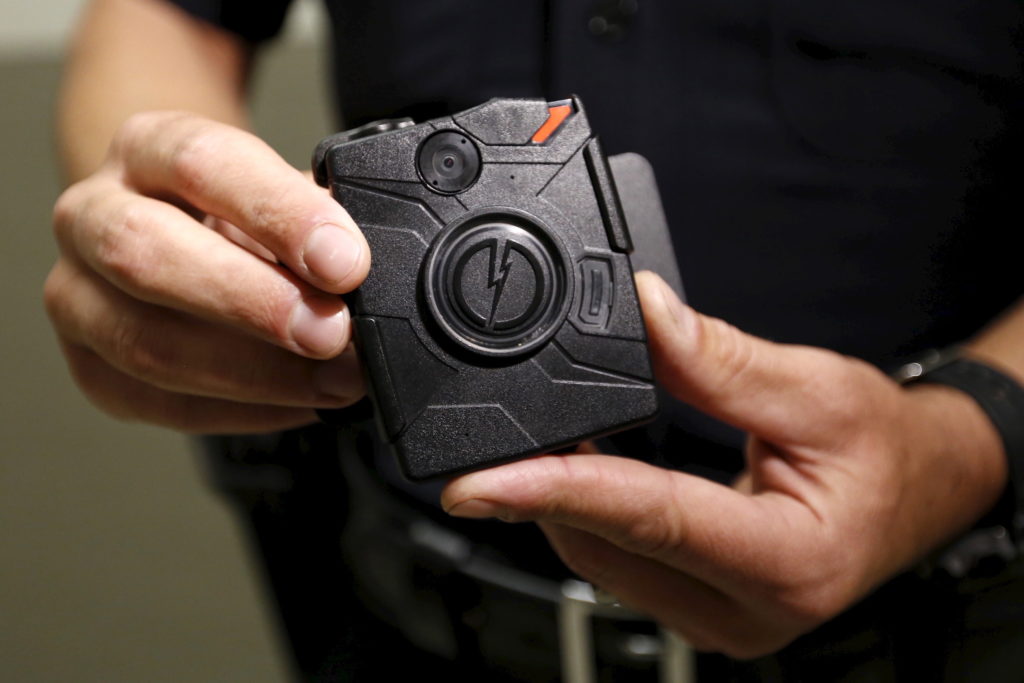
There was no body camera video to help answer that question. Since then, departments across the nation have spent tens of millions of dollars to put small wearable cameras onto police officers. And, in some shootings, they have made a difference, including murder charges in the deaths of George Floyd in Minneapolis, Tyre Nichols in Memphis, and, more recently, Eddie Irizarry in Philadelphia.
But a new investigation by ProPublica and "The New York Times Magazine" found it can often take months or years before video is released, if it is released at all.
Eric Umansky is editor at large at ProPublica, and he worked on this investigation.
Eric, great to have you back on the "NewsHour."
The promise, as I mentioned, of these cameras was to have this unbiased record of an event, and the belief being that, if police officers knew they would be seen in action, it might curtail bad behavior.
But your investigation showed how a lot of factors have undermined that promise. What did you find?
ncG1vNJzZmivp6x7sa7SZ6arn1%2Bjsri%2Fx6isq2ejnby4e9ahsGasmJp6sb7OpqCsnV2ks268zqWgnJ1dl7ylxYycmKadopbAbrXSZp2apJyeu6h51p6jpWWjnbyzwIyonWadqKWypMDAraCopqM%3D